
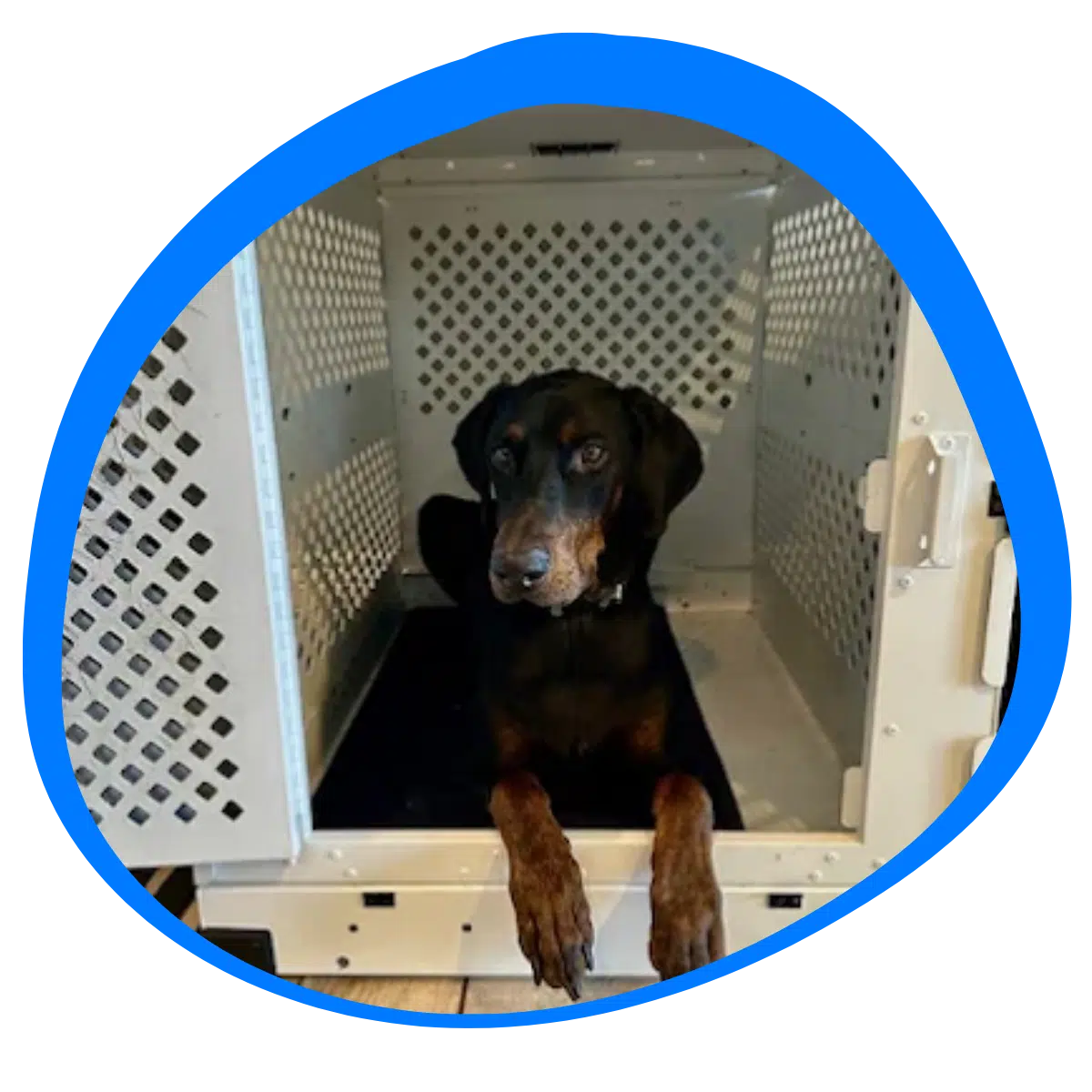
Crate training a dog can be one of the best decisions you make as a new dog owner. Whether you're working with a puppy or an older rescue, a crate offers structure, comfort, and safety. This guide covers everything you need to know—from how to crate train, to dealing with crate anxiety, choosing the right crate size, and using fun crate games to build positive habits.
Why Crate Training a Dog Is Important
Crate training a puppy or adult dog helps provide:
- A valuable tool for potty training
- A safe space to relax
- Easier travel and vet visits
- Reduced separation anxiety
- Prevention of destructive behavior when unsupervised
Crates replicate a dog’s natural instinct to seek a den-like space. With consistency and positivity, your dog will come to love their crate.
How To Choose The Right Size Dog Crate
Selecting the right dog crate size is crucial to successful crate training.
What to Look For:
- Your dog should be able to stand up, turn around, and lie down comfortably
- If you have a wire crate, use a crate divider for growing puppies
- Avoid oversized crates—they can encourage potty accidents
Types of Crates:
- Wire crates: Easy to clean, good airflow, NOT ideal for dogs with known separation anxiety or have tendencies to chew on or try to escape the crate.
- Plastic “Airline” crates: Lightweight, cozy and easy to move around. Most pet stores carry these types of crate.
- Soft-sided crates: Lightweight, but not ideal for chewers or dogs with known separation anxiety. Also not ideal for puppies that are still potty training and the scent of accidents will be difficult to remove completely.
- High - Anxiety Crates: Good for dogs with known crate anxiety, aggressive dogs or travel to ensure safety in a moving vehicle. Ex. Ruffland, Gunner, Impact.
💡 PRO TIP: Each crate brand will have a different size chart, so it is best to research individual crate brands and their sizing guides before purchasing a crate.
Feeding in the Crate: Build Positive Associations
A great way to introduce your dog to crate training is by feeding meals inside the crate.
💡 TIPS:
- Start with the crate door open and food just inside the door opening
- Gradually place the food deeper inside the crate
- Close the door during meals once your dog is comfortable
Feeding in the crate teaches your dog that it's a positive and rewarding place.
Crate Games for Dogs: Make It Fun
Make crate time feel like playtime! Crate games are an excellent way to encourage voluntary crate use and reduce anxiety. Play these games with your dog immediately before and after times that you have to crate your dog.
Example: Play a crate game for 2-3 minutes before leaving the house for work and then again when you return home from work.
Crate Game Ideas:
1. “Go to Your Crate”
Toss a treat and say "crate" or "bed." Reward when your dog goes in voluntarily.
2. “Crate & Release”
Briefly close the door and open it after a few seconds. Reward calm behavior.
3. Crate-Only Chew Time
Give your dog their favorite high value chew or stuffed Kong only in the crate.
These games and activities make the crate a fun, stress-free place for your dog.
💡 PRO TIP: Ensure the items you put in the crate with your dog are meant to be eaten or you are confident your dog cannot chew up and consume the toys you are giving them. We do not recommend leaving your dog unsupervised with chews or other items inside their crate as they can cause a choking hazard or intestinal blockage.
How To Work Through Dog Crate Anxiety
Crate anxiety in dogs is challenging to overcome, especially in rescues or dogs not used to confinement. Here’s how to help:
Signs of Crate Anxiety:
- Whining or barking - excessive barking may need to be corrected using a bark limiting device or bark collar. Allowing a dog to bark excessively in the crate will only increase anxiety long term. We only recommend introducing these devices with the assistance of a professional dog trainer.
- Panting or drooling
- Scratching or trying to escape - these unsafe behaviors may also need to be corrected in order to teach your dog to relax more easily and not harm themselves. We do not recommend trying to correct these behaviors without the assistance of a professional dog trainer.
If your dog’s anxiety persists, consult a professional dog trainer for help.
Final Crate Training Tips
- Use the crate consistently—you should put your dog in their crate daily, while you are home and while you are away. 4-8 hours per day is ideal to teach the skill, and 2- 4 hours per day is ideal to maintain the skill.
- Avoid using the crate for punishment. If you need to crate your dog due to safety concerns, or undesired behaviors, simply lead your dog into the crate calmly and close the door behind them.
- Keep training sessions short and positive when first introducing the crate
Make the crate part of your dog's daily routine
Consistency and patience are the keys to crate training success.
Conclusion: Crate Training Builds Confidence and Comfort
Crate training a dog isn't about confinement—it's about creating a secure, peaceful environment where your dog can decompress, rest and ensure their safety. From potty training to preventing destruction, a crate trained dog is more confident, less stressed, and easier to manage in daily life.
So grab the right crate, keep it positive, and let the training begin. Your dog and future self will thank you for it.
Quick Reference "Recommended Tools List" for Crate Training:
- 1. Crate Options:
- a. Ruffland
- b. Plastic Crate
- c. Soft Crate
- d. Wire Crate
- 2. High Value Chews/Toys:
- a. Bully Sticks
- b. Earth Animal Rolls
- c. Dried Duck Necks
- d. Pig or Cow Ears
- e. XL Black Kong
- 3. Crate Mats
- a. Bulletproof Dog Beds
- b. Primo Pads
- 4. Sound Machines
- a. Portable Sound Machine
- b. Crate Fan
If you are struggling to crate train your dog safely, contact us for help today!